Farming GOATS
Farming goats requires secure fencing, a balanced diet, clean housing, and regular healthcare. A successful goat farm provides a varied diet of forage, hay, and supplements, along with clean water and shelter from the elements. Proper management includes routine health checks, hoof trimming, and vaccination and deworming schedules.
Fencing and housing
Secure fencing: Goats are escape artists, so invest in sturdy, secure fencing like electric or woven wire fencing with small openings.
Goat-proof: Ensure fences are goat-proof to contain the animals and protect them from predators.
Clean and dry shelter: Provide a clean, dry, and well-ventilated shelter with ample bedding, especially during colder months, to prevent diseases and respiratory issues.
Nutrition and diet
Varied diet: Goats need a varied diet that includes a mix of hay, tree fodder, grass, and weeds.
Mineral needs: They have high mineral requirements, so provide mineral blocks and a diverse range of forage.
Commercial feed: A commercial goat feed can help supplement their diet, especially for pregnant or lactating does.
Water: Always ensure fresh, clean water is available, particularly for dairy goats.
Avoid toxic plants: Be aware of poisonous plants in their environment, such as rhododendron, yew, and azaleas.
Health and management
Regular vet care: Schedule regular check-ups with a veterinarian for vaccinations and deworming.
Deworming: Implement a regular deworming schedule, such as using an oral drench suitable for goats.
Hoof trimming: Trim overgrown hooves regularly for their well-being.
Recognize illness: Learn to recognize the signs of illness and address them promptly.
Rotational grazing: Manage pastures by breaking them into blocks that can be rotated for grazing and control.
Profitability and integration
Multiple income streams: Goats can be farmed for meat, milk, and fiber (such as mohair or cashmere).
Weed control: They can be used to help control weeds in existing livestock operations.
Increased productivity: Integrating goats into an existing system can increase overall farm profitability.
GOATS as pets
Goats can be rewarding pets, but they require specific conditions and commitment, including a large, secure outdoor space, companionship with other goats, and a proper diet of hay and pasture. They are intelligent, social, and active animals, but also known for being escape artists, noisy, and potentially destructive if bored or inadequately housed. Before getting goats, research suitable breeds for a pet, prepare for their need for herd companionship, and be aware of the considerable lifestyle adjustments required.
Before you get goats
Space: Goats need a large, secure outdoor area with space to run, play, and climb. A small yard or apartment is unsuitable.
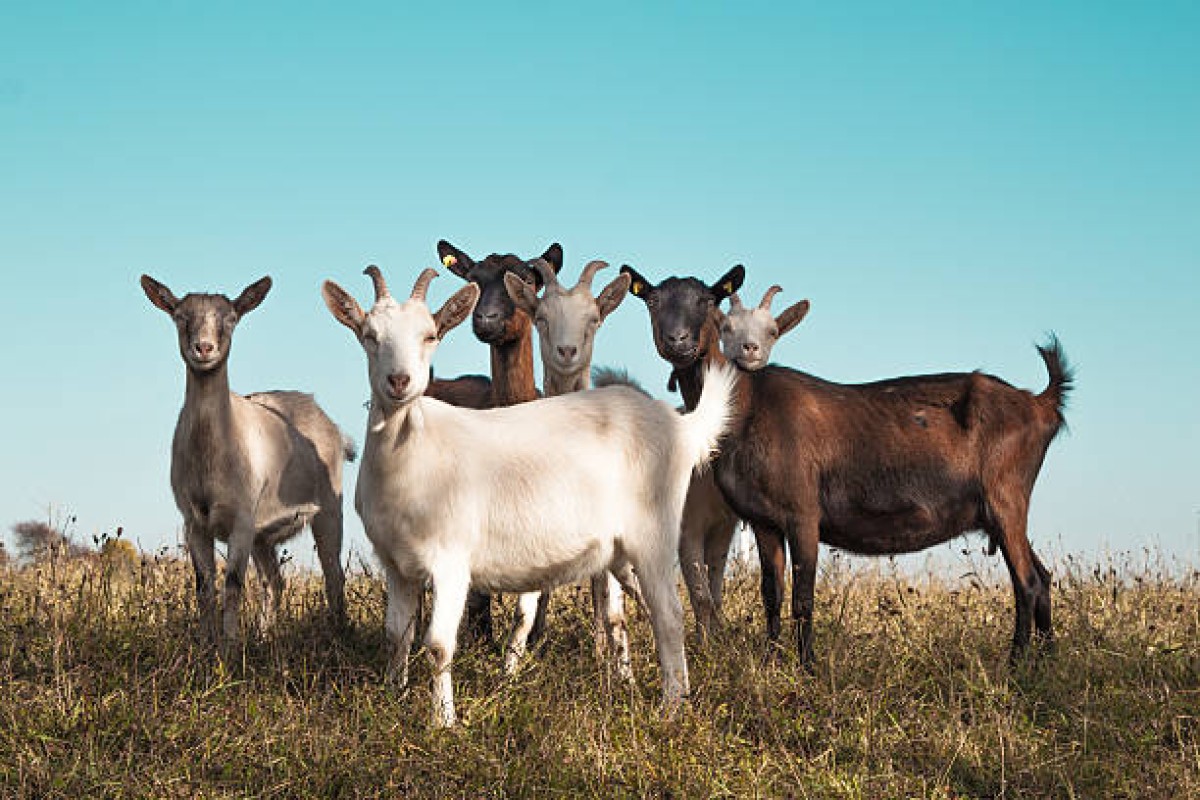
Companionship: Goats are herd animals and should never be kept alone. You must have at least two goats for them to provide company for each other.
Escape artists: Goats are notorious escape artists. Ensure your fencing is appropriate and secure to prevent them from getting out, and never tether them.
Noise: Be aware that goats can be loud, which may not be popular with neighbors.
Destructive behavior: Goats are curious and love to chew. They can damage fences, gardens, and structures if not properly supervised and provided with suitable, safe enrichment.
What you'll need to provide
Shelter: Provide a dry, well-ventilated shelter that offers protection from sun, wind, and rain. Raising the shelter off the ground will help keep it dry.
Diet: A healthy diet consists primarily of high-quality hay or pasture. They can have supplements, but they must be formulated for goats, as other grains can be toxic.
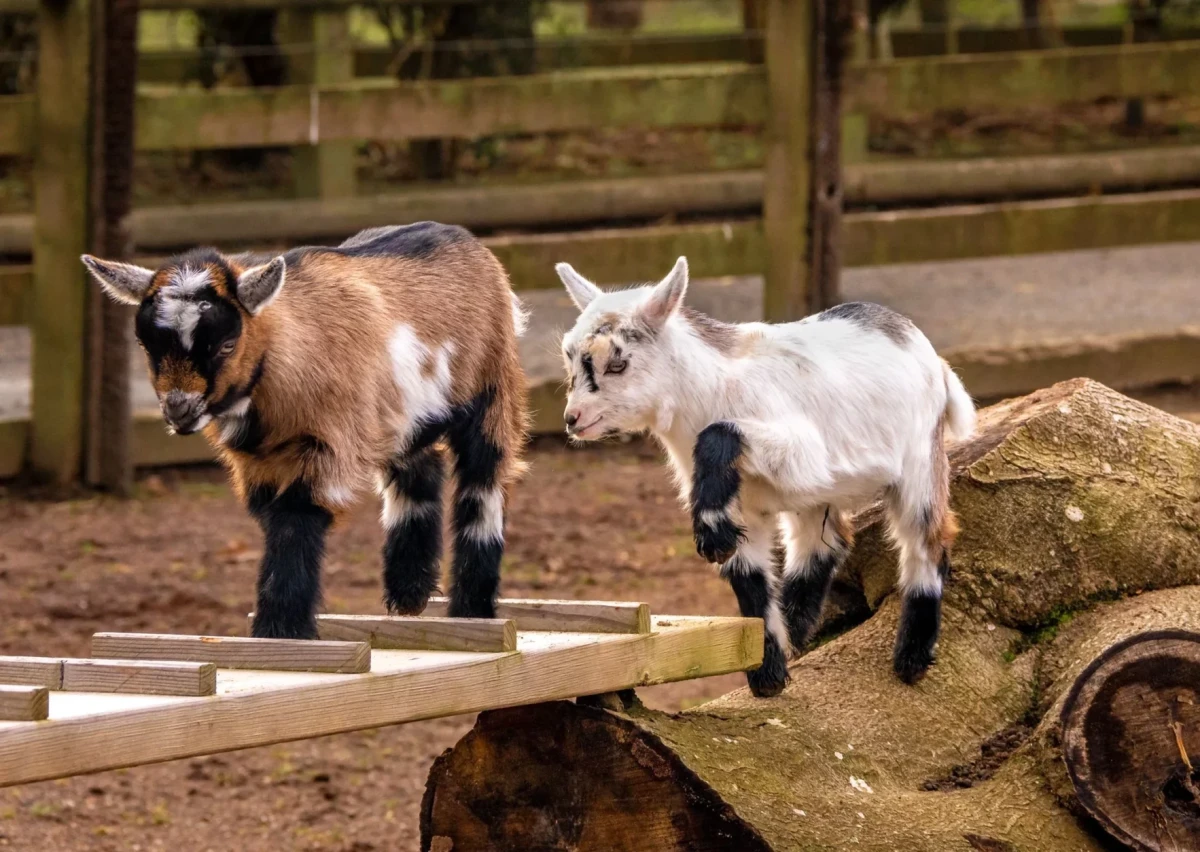
Enrichment: Provide a stimulating environment with things to climb on, like logs or sturdy huts, and change the environment regularly.
Healthcare: Goats need annual veterinary check-ups, vaccinations, and parasite control.
Cleaning: Keep their enclosure clean, with appropriate bedding.
Other considerations
Male vs. female: Female goats (does) are often a better choice for pets, especially if you are not planning to breed. Uncastrated male goats (bucks) have a very strong smell and can be aggressive. Castrated males (wethers) can also make good pets.
Milking: If you have a lactating female, be prepared for the extra work of milking twice a day.
Size: Even the smallest breeds will grow to be over 60 pounds, so prepare for a large animal.
Safety: Goats are vulnerable to predators like dogs. Ensure they are kept in a safe area where they can't be chased.
Poisonous plants: Be aware of and remove any poisonous plants from their environment.
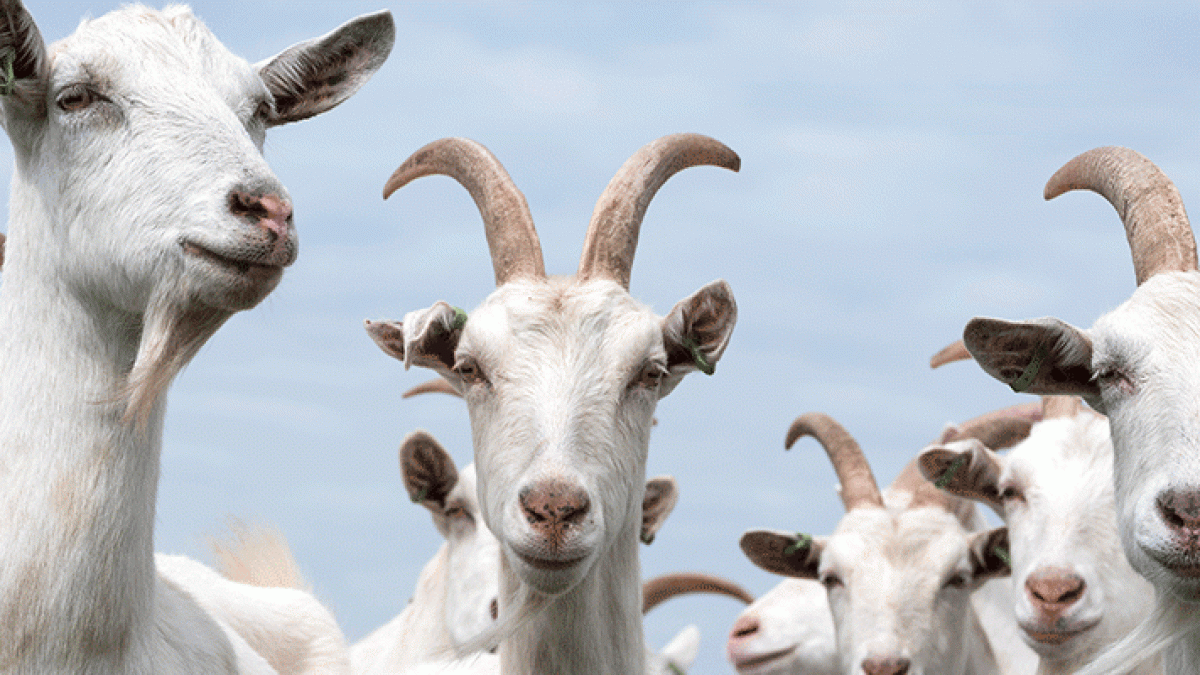
Are GOATS smart?
Yes, goats are considered smart
and possess intelligence that is often underestimated. They have good memories, can solve complex problems, and are highly curious and adaptable animals. Studies have shown they can remember solutions to tasks for long periods, recognize human faces, and even communicate with humans in their own way.
Cognitive abilities
Problem-solving: Goats can learn to solve complex tasks, such as pulling a lever to access food.
Long-term memory: They can remember solutions to these tasks for months after learning them.
Spatial memory: Research suggests goats have a strong spatial memory, allowing them to quickly find hidden food and navigate their environment effectively.
Human recognition: They can recognize human faces and remember their past experiences with specific people.
Learning: Goats learn by themselves and prefer to learn through their own experiences rather than just watching others.
Emotional and social intelligence
Communication: Goats communicate with each other and with humans, using a variety of vocalizations and expressions.
Emotional recognition: They can distinguish between positive and negative human vocalizations.
Playfulness: Goats are playful and use play to develop agility, coordination, and social bonds.
Curiosity: They are naturally curious and explore their surroundings, which contributes to their problem-solving abilities.
Real-world evidence
Farmers observe goats figuring out how to open gates, climb trees, and find hidden food. They have even been compared to dogs in terms of intelligence by some researchers.
Boer
The Boer is an indigenous breed of goat to South Africa, with improvements made through crossbreeding of European, Angora, and Indian goat breeds
Angora
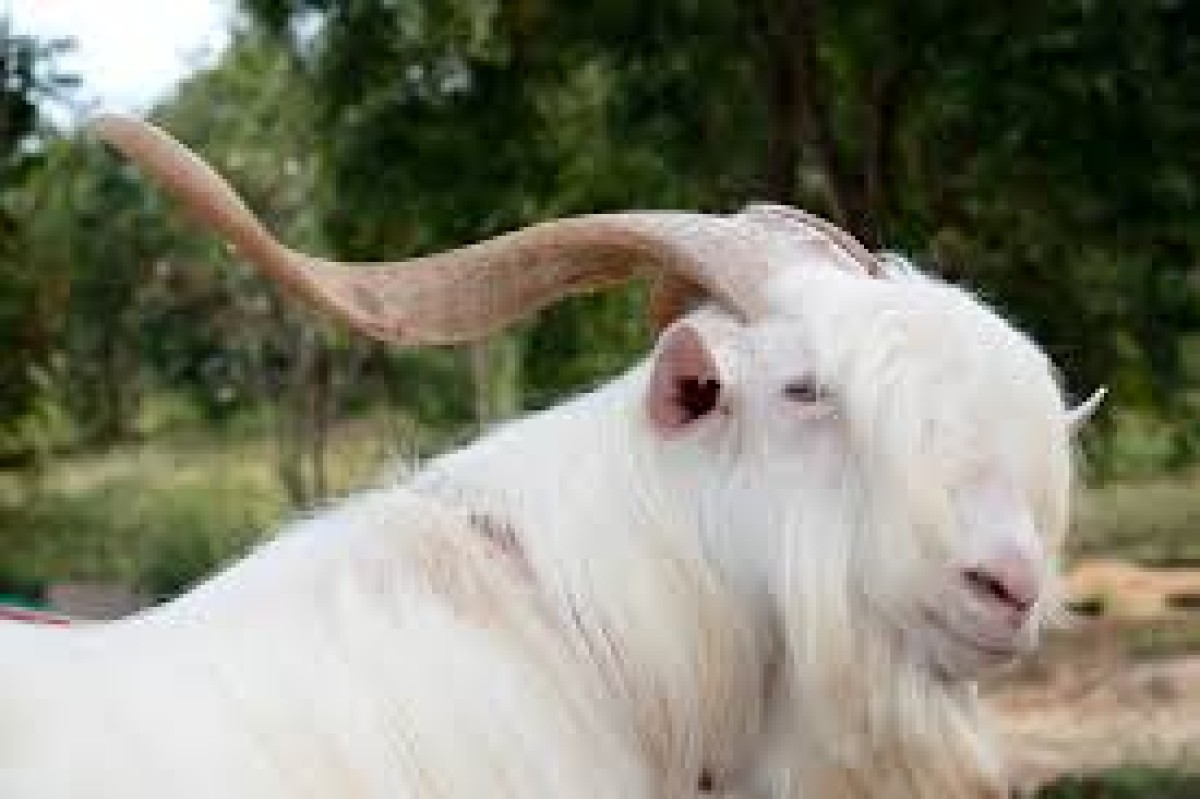
When you think about the fluffy and soft looking goats that are the source for those luxurious sweaters fashion-forward ladies covet, it’s likely to be from the Angora line. They are typically sheared twice a year producing up to 10 pounds of long silky mohair fiber. They tend to be smaller than most dairy goats and have a lifespan of about 10 years. Adult females stand 36 inches tall and weigh between 70–110 pounds while males stand around 48 inches tall and weigh 180–225 pounds.
LaMancha
While LaMancha goats have short, fine and shiny coats in a range of colors, it’s their miniature ears (known as elf ears) or almost earless (known as gopher ears) appearance that distinguish them from the rest. They tend to be top milk producers, second to Alpine goats, and smaller than most dairy goats. LaManchas are also incredibly sweet and gentle, which makes them excellent pets, too. Like other dairy breeds, some may have wattles or hair-covered skin tissue hanging from the chin/throat area otherwise known as “bells” or “skin tags.” They weigh between 130-160 pounds and stand 28-30 inches in height.
Nubian
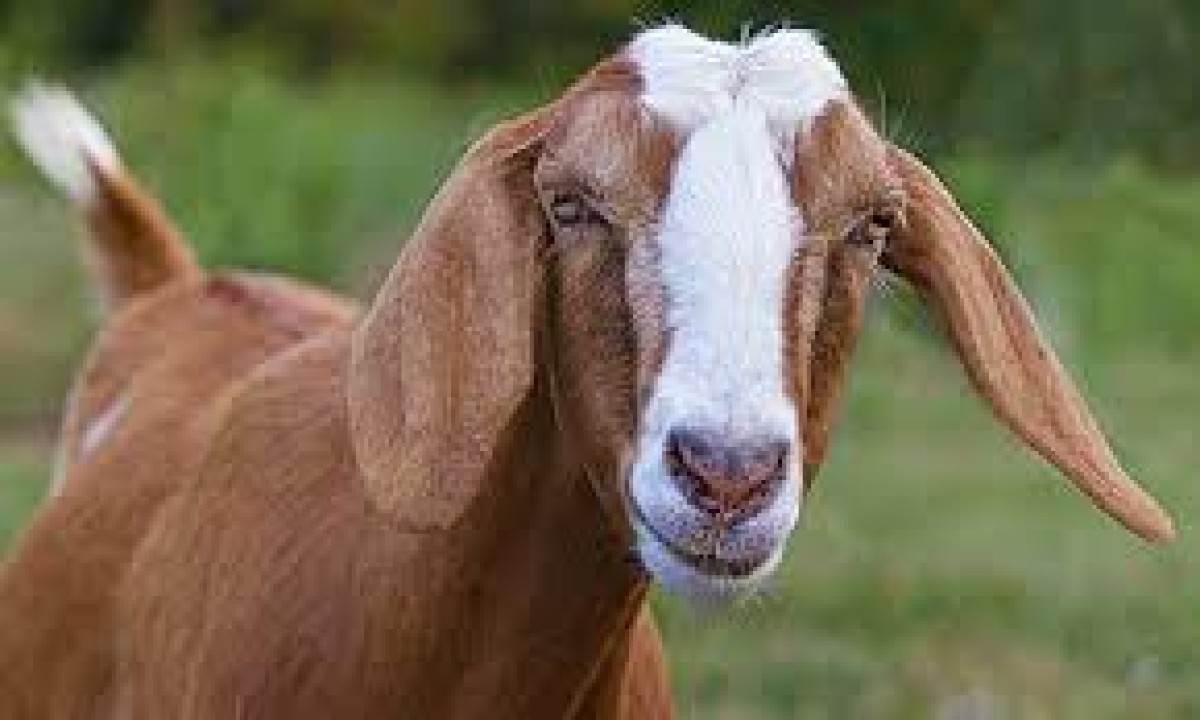
The Anglo-Nubian is a British breed of domestic goat. It originated in the nineteenth century from cross-breeding between native British goats and a mixed population of large lop-eared goats imported from India, the Middle East and North Africa. It is characterised by large, pendulous ears and a convex profile. Nubian goats come in a variety of colors, but you can always spot one thanks to their long, floppy ears that look a bit like bunny ears. Nubians are popular with ice cream and cheese makers as their milk is high in butterfat and protein.
Saanen
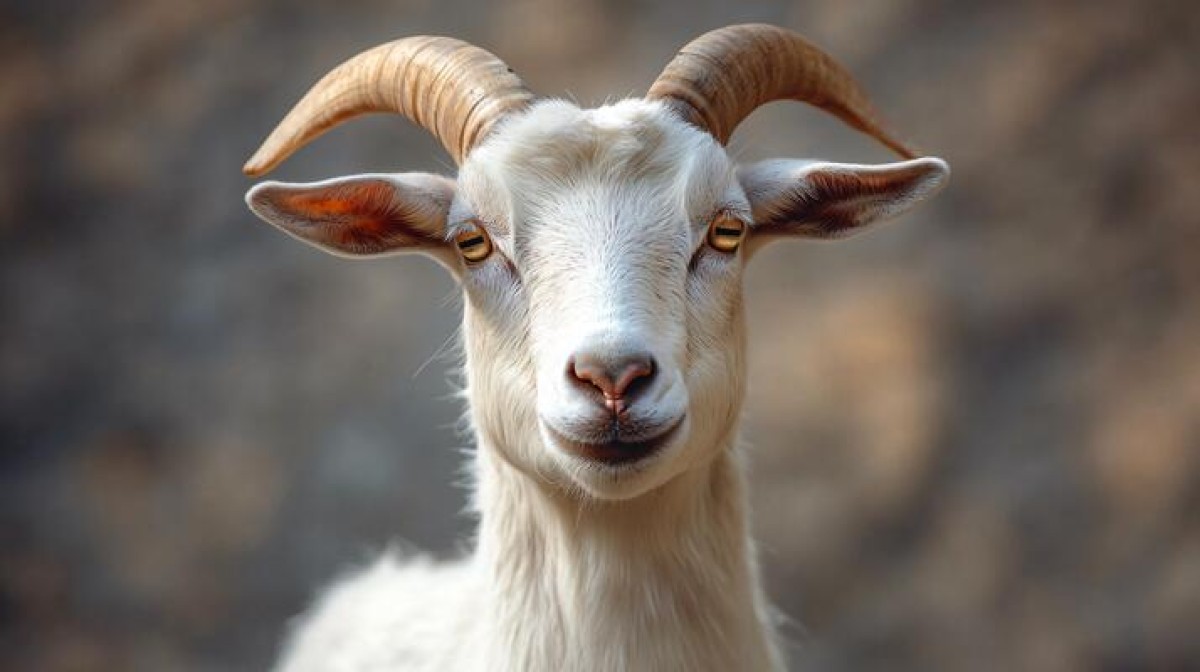
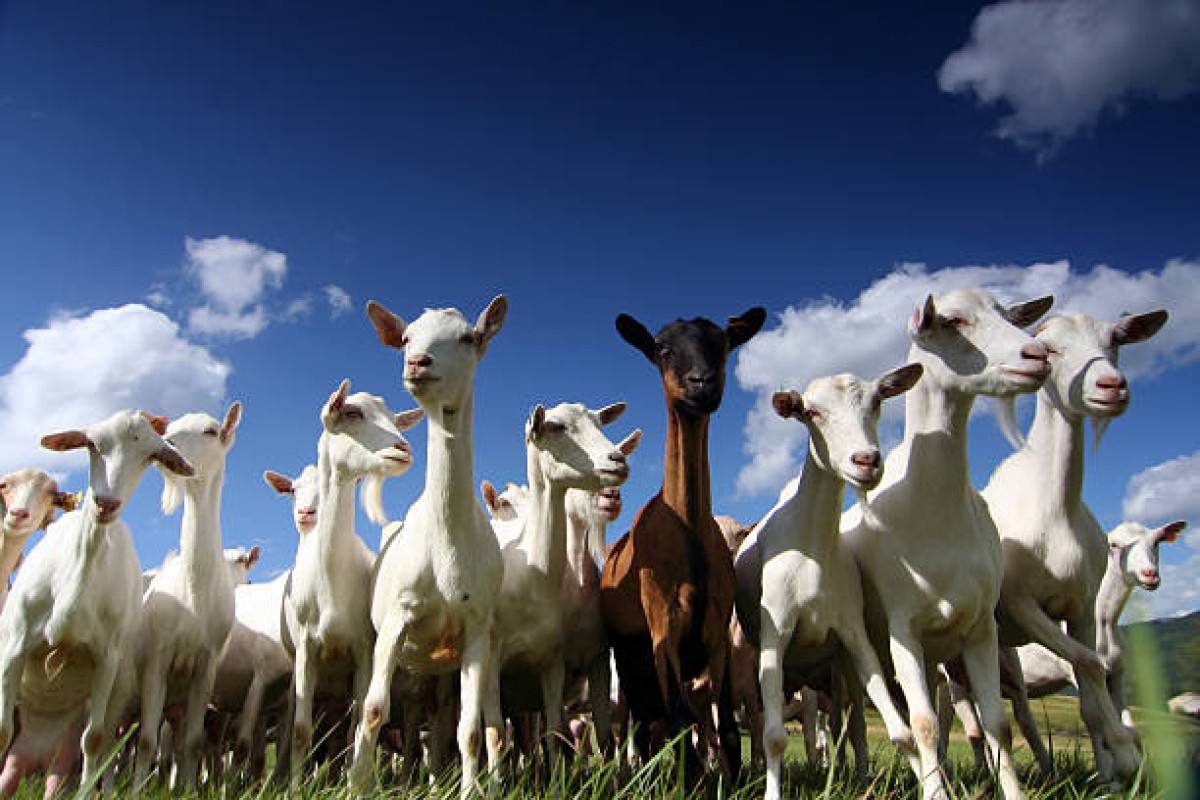
The Saanen breed began in Switzerland and these goats are easy to spot as they are always white in color and have erect ears that point a bit forwards. Weighing up to 145 pounds and 30 inches tall, they’re the largest dairy goat breed as well as excellent milk producers, and adaptable to most climates. They’re also easy to train and are known for being calm and friendly, making them a good pick for farms with children.
Toggenberg
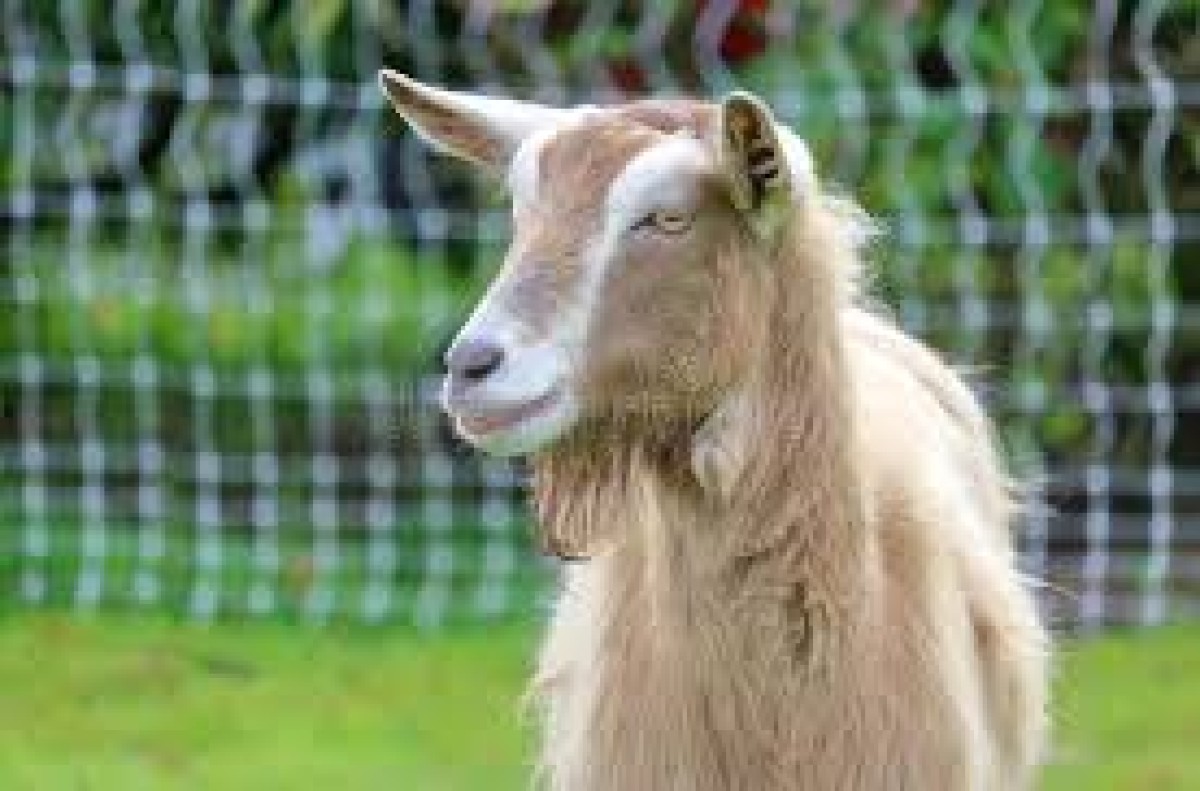
Toggenburgs are among the first official breeds of dairy goats imported to the U.S. from Switzerland. They reached international status due to their strong stature and friendly personality. Their coats are typically brown from light fawn to dark chocolate and they tend to have distinct white markings on their ears, face, lower legs and tail. You often see both sexes with beards or wattles and they sometimes have long horns that curve backwards. Toggenburgs are considered mid-size dairy goats sometimes reaching up to 150 pounds and 26-30 inches tall.